




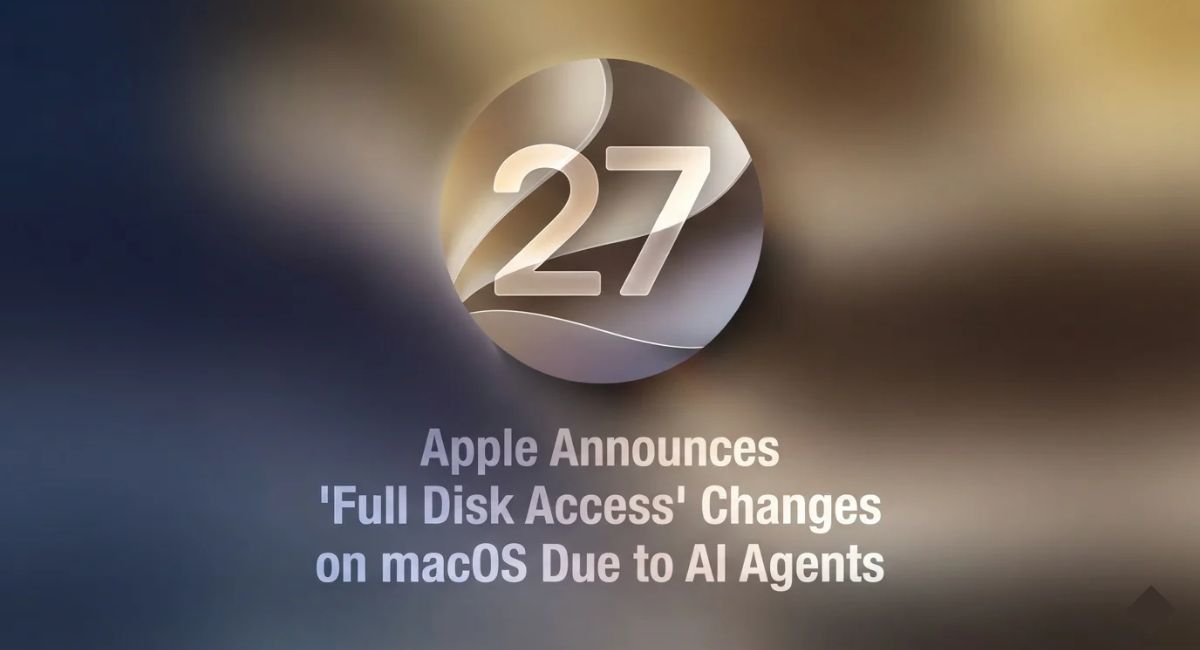


Apple Changes Full Disk Access on macOS: Important news for any Mac user in the US. Apple published a notice on their developer news site on October 2, 2026. It claimed more limits are coming. That is easy to understand. “AI agents are becoming more capable and more autonomous,” claims Apple. And that amplifies the risk when an app can view everything on your Mac. Full Disk Access is a powerful setting . It allows a program to access your files, mail, messages and browser history. Apple created it so backup apps could work right. But some developers utilize it in dangerous ways. This, Apple claims, can reveal private data without users fully grasping. And it can potentially harm the privacy of those you speak to. So Apple wants users to ponder before they say yes. What’s changing? Why? And what you can do today. This guide explains.
Apple Is Changing Its Full Disk Access on macOS, but ultimate strategy not yet known. Apple promised more controls. It wants people to only offer this access by very specific action. Apple has not said what measures or when it will be released. TechCrunch also emphasized the aim is informed consent, not a new restriction. And a lot of Mac users and developers are watching carefully. Some dread further barriers, while others welcome tighter guardrails from desktop AI technologies. Then the story took up after allegations about Meta’s Muse app, which Meta denied. You don’t have to wait for Apple. Now check your personal settings. You can find the apps with this access by opening System Settings and going to Privacy & Security. Remove any app you don’t trust.” To summarize, Apple is changing Full Disk Access on macOS to give consumers the control. Read on for the hazards, the facts and the safest next measures.
What Is Full Disk Access on macOS and What Can Apps See?
Begin with the fundamentals. Apple Is Changing Full Disk Access on macOS, so you should know what this setting does first. Full Disk Access is a privacy privilege on Mac. This allows a program to access protected data on your Mac. This data includes files, mail, messages and surfing history. Regular apps need to request each kind of data separately. Full Disk Access skips most of those checks. Apple built it so backup apps could work properly. A backup tool must copy everything on your drive. You can find the setting in System Settings under Privacy & Security. Only you can switch it on. An app cannot grant it to itself. Apple Is Changing Full Disk Access on macOS because this level of power is so large. Apple itself treats it as a very serious level of access.
Why does this matter? Apple Is Changing Full Disk Access on macOS because the same power can be misused. Apple warns that some developers use it in risky ways. Those uses can expose everything on a Mac without full user understanding. For communication apps, the risk goes further. The privacy of the people you chat with can suffer too. Think of it as a master key to your digital home. A trusted third-party app may use that key with care. A careless one may not. Data exposure can happen fast when an app sees all of your files, mail, and messages. That is why user privacy sits at the center of this news. Apple Is Changing Full Disk Access on macOS to make sure you know what you are agreeing to. Next, let’s look at why Apple acted now.
Why Is Apple Changing Full Disk Access? AI Agents and the Meta Muse Controversy
Apple gives one clear reason: AI agents. Apple Is Changing Full Disk Access on macOS because these tools are getting more capable. Apple says the risks will grow substantially as autonomous AI agents improve. A desktop AI agent is able to read, plan and act on its own. With Full Disk Access, it can access almost everything on your Mac. It’s like handing the agent power of attorney, says Six Colors writer Dan Moren. That’s a useful picture. Agents also tend to request broad access. It is easier than asking for each data store. Apple Is Changing Full Disk Encryption Access on Mac to fight that tendency. It’s a basic goal. Users should know the security dangers before they say yes. Apple wants informed permission, not a hasty click.
The timing caught many eyes. Days before the news, Inc. columnist Jason Aten wrote that the Meta Muse app read his private messages. Meta disputed that claim. Even tech writers found the story confusing. One developer argues the writer misremembered what he allowed. Apple did not name Meta or any company in its post. Still, many see a link. Apple Is Changing Full Disk Access on macOS soon after the story spread. TechCrunch also cited a Wired report about a flaw in the ChatGPT Mac app. That flaw could have exposed sensitive data. Together, these stories raised new privacy concerns about desktop AI. Apple Is Changing Full Disk Access on macOS to calm those worries before they grow. Treat the Muse facts with care, since they are still disputed.
What Will Change? What Apple Has Confirmed So Far
Here is what we know for sure. Apple Is Changing Full Disk Access on macOS by adding additional controls. Apple says users who truly want to grant this access can do so only through “very explicit user action.” That suggests a more careful process. TechCrunch later corrected its report. The change is about informed consent. It is not a new ban or limit. Apple has not said what the new steps will look like. It has not given a release date either. Nick Heer of Pixel Envy notes that no firm judgment is possible yet. So avoid claims that Apple will block the setting. Apple Is Changing Full Disk Access on macOS, but the final design is still unknown. Watch Apple Developer News for updates.
What does this mean to you? Of course, no one knows yet. So be wary of speculations. Apple Changes Full Disk Encryption Access on MacOS. Power users are already closely following it. Apple, letting skilled power users still verify a terrifying warning and preserve today’s configuration, hopes John Gruber of Daring Fireball. Some developers whose apps depend on this authorization also sound worried. Their apps need a means to offer functional Full Disk Access. Ordinary users might get more distinct warnings. Apple Is Changing Full Disk Encryption Access On macOS. Two groups, two needs: those who need power and people who need protection. The big question is: balance. Security and convenience frequently run in different directions. More argument to come when Apple releases more details.
Which Mac Apps Legitimately Need Full Disk Access?
Not all apps that ask are terrible. Apple Is Changing Full Disk Access on macOS, yet lots of tools actually need it. Backup and cloning software needs full access, as it must copy every file. SuperDuper and Carbon Copy Cloner are examples. Reliable findings from disk space analyzers need scanning the entire drive. For example, antivirus and malware scanners (such as ClamXAV) often need this to be able to scan protected folders. Terminal and BBEdit access is routinely given to devs and admins. Apple is changing full disk access on macOS. But it’s the trusted tools that are the cause for the setting in the first place. The secret is trust. A long history and a demonstrable need make an app safer to approve. One basic question: Can this software do its job without it?
| App Type | Examples | Why It Asks |
| Backup and cloning | SuperDuper, Carbon Copy Cloner | Copies the entire drive |
| Terminal and editors | Terminal, BBEdit | Reads any file path |
| Search and scan tools | Find Any File, ClamXAV | Scans the whole disk |
| System services | smbd, sshd-keygen-wrapper | File sharing and remote login |
Some apps deserve a second look. Apple Is Changing Full Disk Access on macOS partly because of AI agents and similar tools. An agent that wants your whole drive should explain why. Cleaner and uninstaller apps like AppCleaner and Pearcleaner also ask for it. Many users accept this because macOS leaves leftover files behind. Still, think twice. Safer choices exist. Some users give agents access to one folder only. Others work on copies of their data. Ask who made the app. Check its track record. Read what it says it will do with your data. Apple Is Changing Full Disk Access on macOS so users think harder before they approve. If the need is unclear, say no. You can always turn it on later.
How to Check Which Apps Have Full Disk Access on Your Mac
You don’t have to wait for Apple. Apple Is Changing Full Disk Access on macOS, but you can check your Mac today. An audit takes roughly two minutes. Open System Settings, then tap Privacy & Security. Then select Full Disk Access. You’ll notice a list of apps and their toggles. Search for apps you don’t know or don’t use anymore. If you see smbd don’t panic. It is the file sharing service . If file sharing is on or was on, it is normal . You may also see sshd-keygen-wrapper which permits remote login. First, take a screenshot so you remember your settings. Apple Changes Full Disk Access on macOS thus a clean list today means fewer surprises later.
- Open System Settings.
- Click Privacy & Security.
- Select Full Disk Access.
- Switch off any app you do not trust or need.
- Restart the app if it asks.
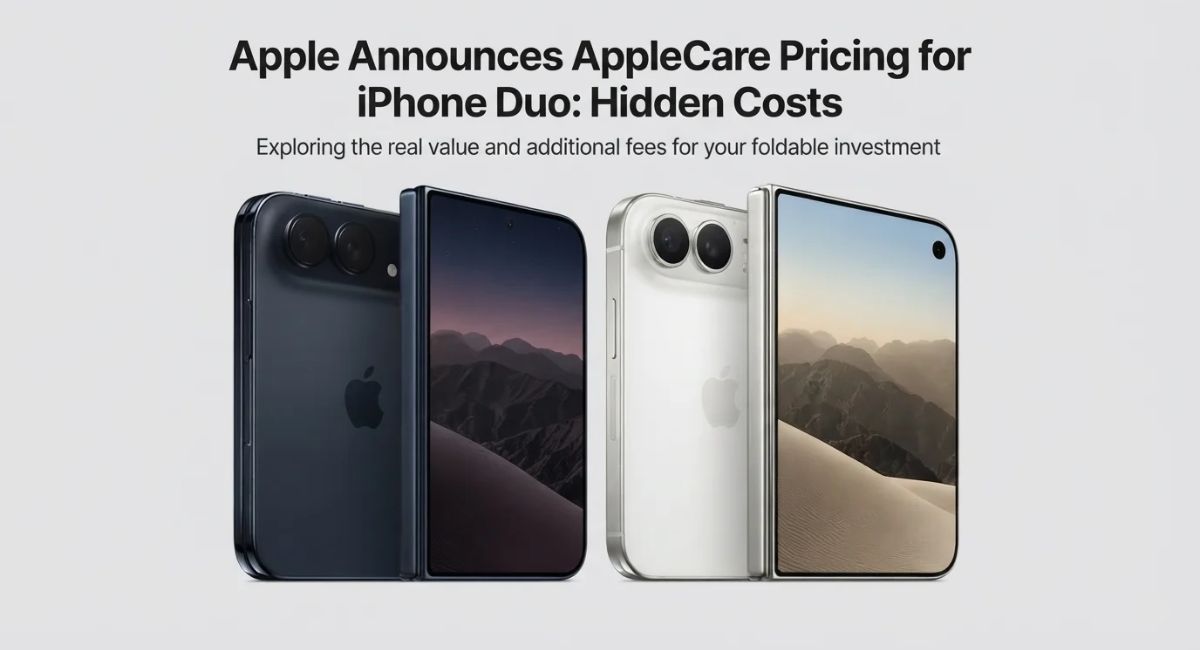
Now build better habits. Apple Is Changing Full Disk Access on macOS, but your own choices still matter most. Say no by default. If an app breaks, you can turn the permission on later. Dan Moren of Six Colors follows this same approach. Give AI agents access to one folder when you can.Don’t give away your entire drive. Make sure your macOS is updated with the latest upgrades so you’re getting the latest security measures. Check the list every few months. Delete tools you don’t use anymore. These steps cost nothing and protect your data. Apple Is Changing Full Disk Access on macOS to help users make informed decisions, and a regular checkStart with the basics. Apple Is Changing Full Disk Access on macOS, so you should know what this setting does first. Full Disk Access is a Mac privacy permission. It lets an app read protected data on your Mac. That data includes files, mail, messages, and browsing history. Normal apps must ask for each type of data one by one. puts that idea to work. Stay alert as Apple shares more details about the new controls.Stay alert as Apple shares more details about the new controls. If you follow Apple news, you can also see what Apple announced for iPhone Duo.
FAQ’s
What is Full Disk Access on a Mac?
Full Disk Access is a macOS privacy permission that allows an app access to protected data like files, mail, messages and browser history. Apple built it so that backup apps work properly.
Why is Apple altering Full Disk Access in macOS?
With AI agents gaining more capability and autonomy, Apple warns the risks grow for any app to have that much access. The aim is to make sure people understand the hazards before they sign off on it.
Will Apple eliminate Full Disk Access on Macs?
“No, Apple hasn’t said it will remove it. It plans to introduce new restrictions that will enable users to give access only through “very explicit user action,” but has not provided details or a release date.
How do I check which apps have Full Disk Access on my Mac?
Open System Settings, go to Privacy & Security, then select Full Disk Access. You can switch off any app you don’t trust or no longer use.



1 Comment
California Tech CEO Arrested Over Alleged $300 Million Nvidia Server Shipments to China: Shocking Details Revealed
October 7, 2026[…] […]